
Preparing Drivers, Businesses, and Communities for Changing Traffic Patterns
As students return to the classroom, communities across the country experience a noticeable shift in daily routines. School buses return to the roads, traffic volumes increase during morning and afternoon hours, and more children and pedestrians are traveling through neighborhoods and intersections.
These seasonal changes affect more than parents and students. Businesses, fleet operators, employees, and everyday drivers all play a role in creating a safer environment during the back-to-school season. Taking time to recognize changing traffic patterns and adjust daily operations can help reduce risks for everyone on the road.
Expect More Traffic—and More Unpredictability
The first few weeks of the school year often bring heavier congestion as families adjust to new schedules and routines. Morning and afternoon commutes may take longer than expected, especially near schools, bus routes, and residential neighborhoods.
Drivers should plan for additional travel time, remain patient in congested areas, and avoid distractions behind the wheel. Rushing to make up lost time can increase the likelihood of unsafe driving behaviors such as speeding, abrupt lane changes, or following too closely.
Allowing a few extra minutes for travel can make a significant difference in reducing stress and improving roadway safety.
Slow Down in School Zones
School zones are designed to protect some of the most vulnerable road users—children.
Speed limits are typically reduced during school arrival and dismissal times to give drivers more time to react to pedestrians, crossing guards, bicyclists, and unexpected movements. These reduced speeds are not suggestions; they are legal requirements intended to save lives.
Children can be unpredictable. A student may step into the roadway unexpectedly, chase after a dropped item, or cross outside of a designated crosswalk. Driving at a slower speed provides valuable reaction time when these situations occur.
Drivers should also remain alert for flashing school zone lights, crossing guards directing traffic, and increased pedestrian activity throughout the day.
Know When to Stop for School Buses
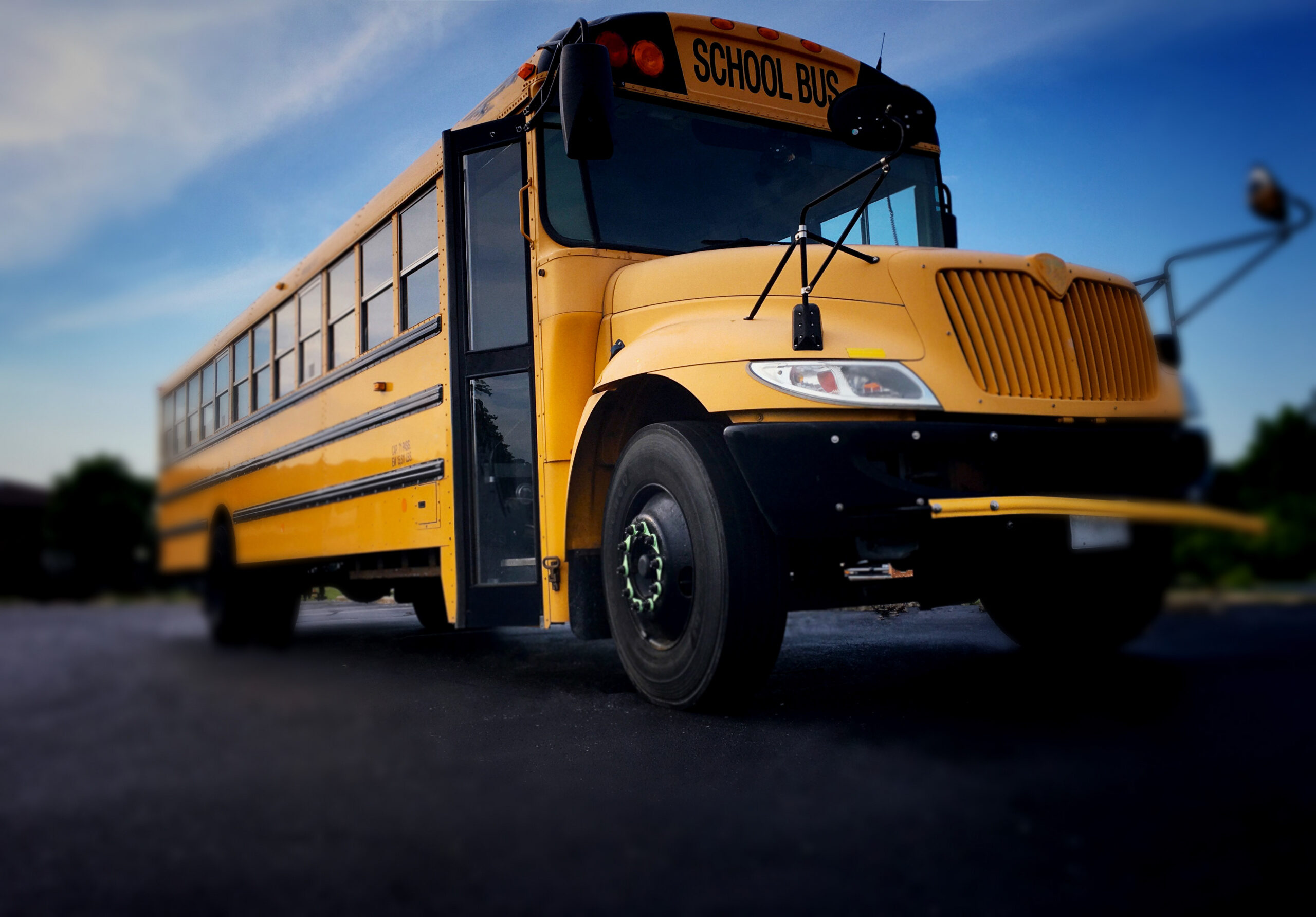
School buses make frequent stops to load and unload students, and every driver should understand their responsibilities when approaching a stopped bus.
When a school bus activates its flashing red lights and extends its stop arm, drivers are generally required to stop until the bus resumes motion and the stop arm is withdrawn. The specific requirements vary by state, particularly on divided highways, so drivers should understand the laws in the states where they operate.
Passing a stopped school bus illegally places children at serious risk, as students may be crossing the roadway and are often difficult to see.
For commercial drivers, fleet operators should regularly reinforce school bus awareness through driver training and defensive driving programs, particularly at the start of each school year.
Pedestrian Awareness Is Everyone’s Responsibility
Back-to-school season means more children walking or riding bicycles to school, often during busy commuting hours.
Drivers should approach intersections carefully, yield to pedestrians in marked crosswalks, and avoid distractions such as mobile phones while traveling through school zones or residential neighborhoods.
Parents can also reinforce safe habits by encouraging children to use designated crosswalks, obey crossing guards, remain alert while walking, and avoid using electronic devices when crossing streets.
Creating safer roadways requires cooperation between drivers, pedestrians, schools, and communities alike.
How Businesses Can Prepare
The return to school also affects daily business operations. Employees may experience longer commute times, delivery schedules may require adjustments, and customer traffic patterns often change as families return to structured routines.
Organizations that operate commercial vehicles should evaluate routes that regularly pass through school zones or areas with increased pedestrian activity. Dispatchers and fleet managers may need to allow additional travel time, adjust delivery schedules, or modify routes to reduce delays and improve safety.
Businesses should also communicate with employees about expected traffic changes and encourage them to leave earlier when necessary. Flexible scheduling, where practical, can help reduce commuting stress while supporting punctuality and employee well-being.
Retailers, healthcare providers, restaurants, and service businesses may also notice changes in customer traffic throughout the day as school schedules reshape community routines. Reviewing staffing levels and operating hours can help businesses adapt more effectively during this seasonal transition.
Reinforce Fleet Safety
For organizations with company vehicles, the start of the school year is an ideal time to remind drivers of defensive driving expectations.
Drivers should reduce speed in school zones, remain alert for buses making frequent stops, increase following distance during heavier traffic, and eliminate distractions while driving. Fleet technologies such as telematics, dash cameras, and driver coaching programs can also reinforce safe driving habits and provide valuable insights into driver performance.
A few extra moments of caution can help prevent incidents that affect employees, students, and the communities businesses serve.
A Safe School Year Starts with Everyone
Back-to-school season is more than a calendar milestone—it marks a significant change in how our roads and communities operate.
By slowing down, staying alert, respecting school buses and school zones, and adjusting business operations to accommodate changing traffic patterns, organizations and drivers can help create a safer environment for students, employees, customers, and the public.
Every safe decision behind the wheel contributes to a stronger, safer community. As the new school year begins, awareness and preparation remain two of the most effective tools for protecting everyone who shares the road.

